

When Operator Errors Become Maintenance Problems

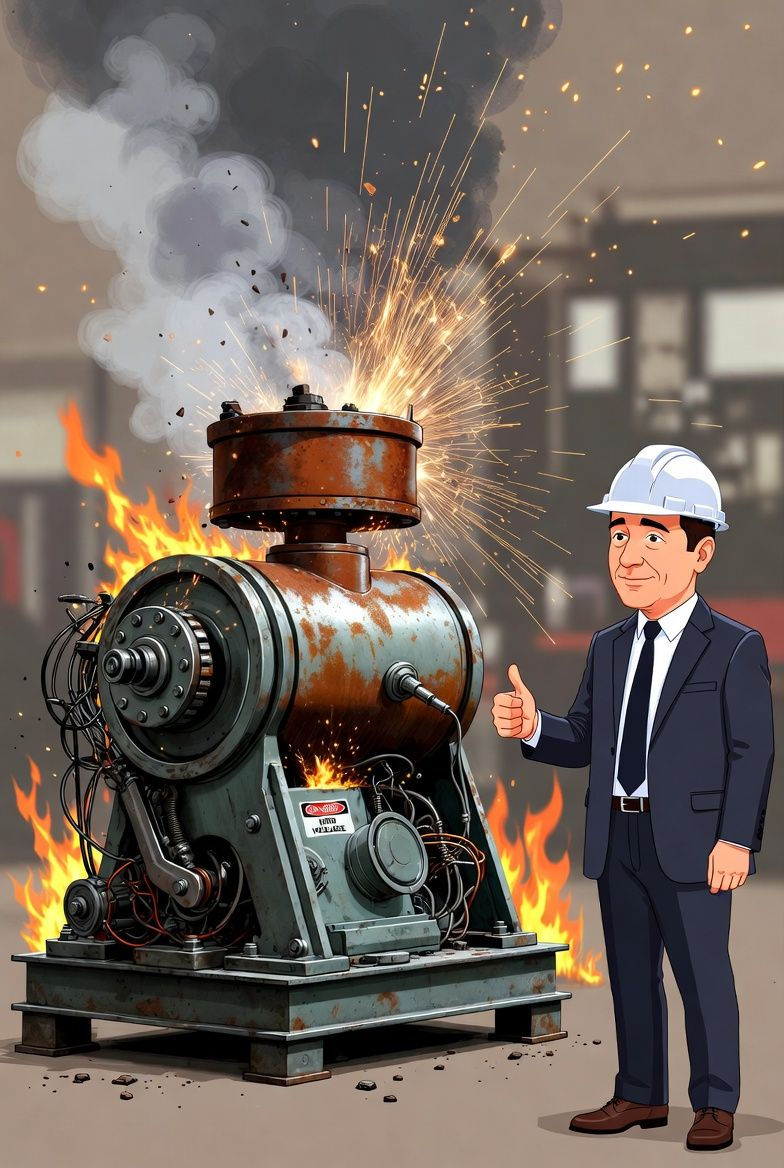
When production calls maintenance to the machine, the problem becomes a maintenance problem.
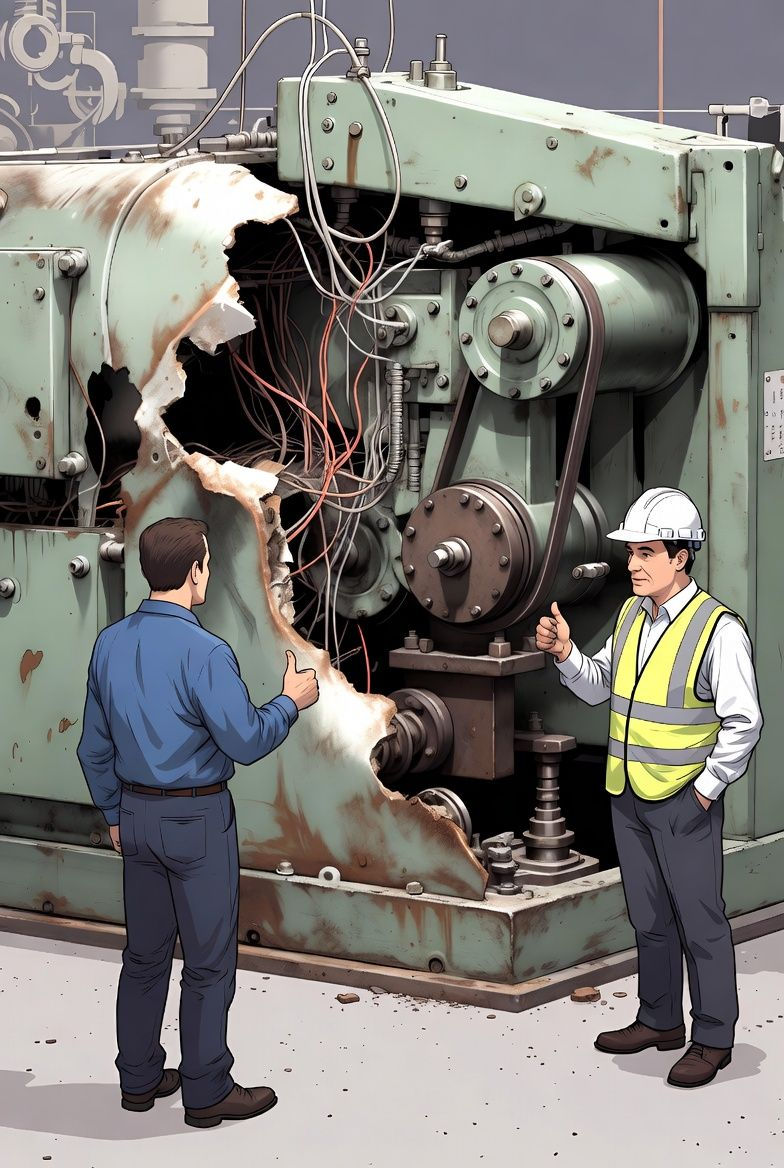
But when maintenance finds an operator-care failure or setup issue, there’s no button to send it back.
That one-way handoff is a quiet incentive problem. Economists call it moral hazard: when someone else absorbs the cost of a failure, people take less care to prevent it.
Look at who pays for what:
→ Prevention is small, visible, and paid by production. A wipe, a check, or adherence to a setup guide at changeover.
→ Response is large, partly hidden, and paid by someone else. Tech time and parts are on maintenance’s budget. Downtime, scrap, and secondary damage all elevate a problem to prove there was something wrong with the machine... which makes it a maintenance problem.
So skipping prevention is cheaper for operations and more expensive for the plant. One NIST survey found that reactive-heavy manufacturers lost about twice as much planned production time to unplanned downtime as their peers.
Insurance solves the issue of moral hazards with deductibles. Plants can do the same:
→ Set a first-response standard. Clean, check, and reset before calling maintenance.
→ Build a return path. Maintenance closes the work order with a cause code, and care/operator competence-related failures show up back on production’s scorecard.
→ Put downtime on production’s grade-sheet, where the prevention decision gets made.
One caution: the "deductible" has to be a standard, not a penalty. Punish people for calling and they’ll stop calling and run broken equipment.
If ownership only flows one way, don’t be surprised when problems do too.

Comments