

Corrective Maintenance Is Preventive Maintenance

Is the classic CIL (Clean, Inspect, Lubricate) model of preventive maintenance missing a crucial piece?
Yes, and it's a critical piece that the maintenance industry never discusses but we need to.
Don't get me wrong, CIL is foundational in making components last longer. But without efficiently fixing identified issues before they spiral, the damaged and worn items on your machine will accelerate failures no matter how much grease you apply.
Deferred maintenance leaves your assets vulnerable to cascading failures. Think of it this way:
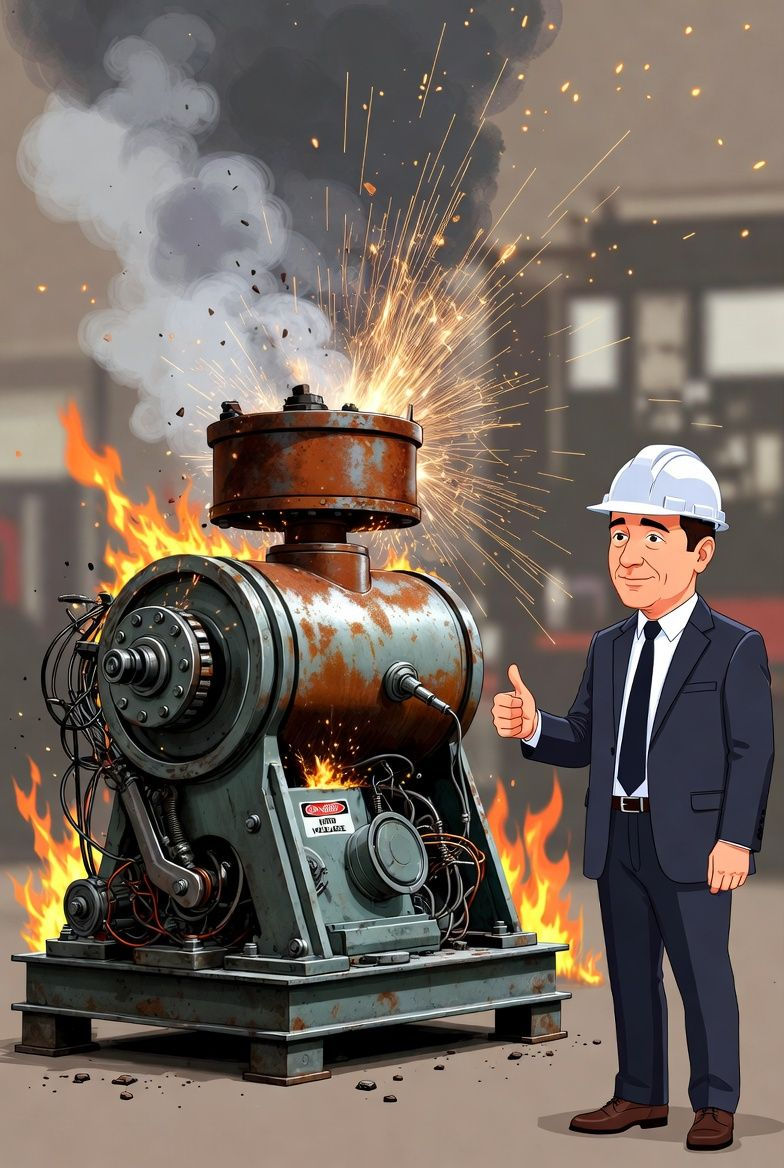
BROKE STUFF BREAKS STUFF.
Take a conveyor system with a failing bearing. If you let it run to failure (a common reactive approach), the extra loading and change in roller position cause a series of things to happen.
The roller position causes the belt to track poorly which shreds the belt, which then cuts the machine frame. The shredded belt starts dropping product into the other rollers, causing damage, accumulation and product damage, and mechanical contamination issues.
The motor starts running hotter because it's running harder (every 10 degrees C hotter shortens lifespan by half).
Maybe the overload starts popping and getting reset, it will need to be changed too after a while.
Every wire in the power train heats up more, swelling and causing premature loosening of electrical lugs. The entire electrical cabinet runs hotter as a result, forcing the cabinet cooler to work overtime. Guess what? It runs hotter too, accelerating its own wear.
One bad component doesn't fail in isolation; it damages everything around it, turning a minor fix into a major overhaul.
This isn't hypothetical, it’s reality for too many operations.
According to industry surveys, around 60% of manufacturing facilities still rely heavily on reactive maintenance.
By definition, reactive means you're deferring maintenance until something breaks. Just keep in mind, you're destroying everything by running anything to failure.
Management teams that defer maintenance like this are setting up a domino effect: collections of worn parts left on the machine lead to accelerated failures across a wide swath of interconnected systems.
It's not just inefficient, it’s costly in downtime, repairs, product damage, and safety risks.
Time to shift the practice: Integrate corrective maintenance into your PM strategy.
Return your equipment to full standard every year.
Get OEM (original equipment manufacturer) audits and spend the money to fix the machines. Once they're mechanically tight and electrically healthy, they'll run reliably.
Don't save a buck by deferring maintenance cost. This practice will cost you more than you think.
Spot it early, fix it proactively, and watch your business succeed.


Comments