

Your Maintenance Backlog Is Hurting Your Techs More Than You Know.

Updated: 22 hours ago
In the 1920s, psychologist Bluma Zeigarnik studied something her mentor noticed: waiters remembered unpaid orders in detail, then forgot them once the bill was settled.
Her experiments found that people recalled interrupted tasks better than finished ones.
Later research has been mixed on the memory part, but there have been consistent findings about the way our brains handle unfinished tasks.
The part of the Zeigarnik effect that has held up consistently is: unfinished goals keep pulling at your attention until you either finish them or have a clear plan for them.
Now picture a typical maintenance department.
Priorities shift every hour.
Jobs get band-aided to get the line running again, with a mental note to “come back to it.”
Work orders stack up with no clear sequence.
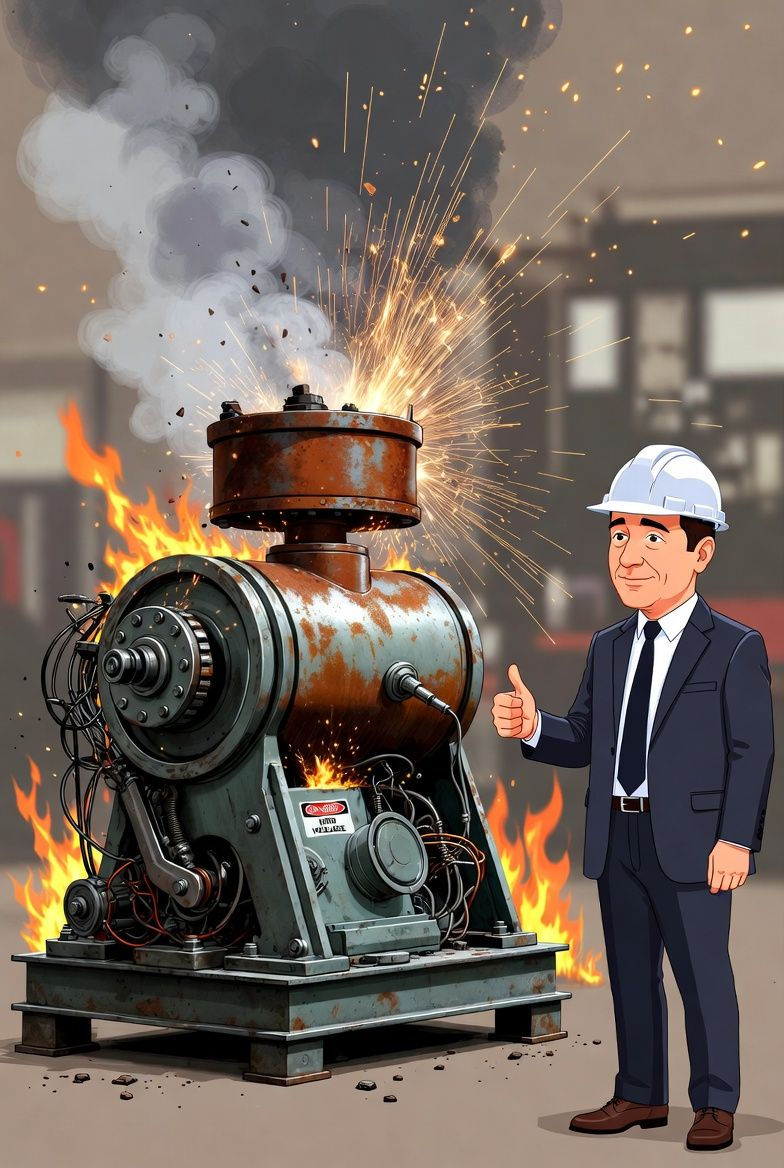
Every technician and planner carries a mental list of open loops: the gearbox that’s leaking, the temporary jumper that'll never be removed, the band-aid that's been put back on 3 times.
None of that work is closed, and none of it has a real plan behind it.
It doesn’t register to your team as resolved.
And so it follows them home.
Studies back this up.
Masicampo and Baumeister (2011) found that unfulfilled goals produce intrusive thoughts that hurt performance on other tasks.
Those thoughts went away once people made a specific plan, even before they did the work.
Syrek and colleagues (2017) linked unfinished tasks at the end of the work week to weekend rumination and poorer sleep.
Poor work management doesn’t just waste wrench time. It creates cognitive load that builds every day.
People sleep worse, think less clearly and eventually feel overwhelmed. And overwhelmed people aren't easy to lead, follow, or work with.
Under those circumstances, low morale is inevitable.
The fix isn’t telling people to “let it go.” It’s closing the loops:
-A functioning work-order system that they can trust.
-Clear, rational, and visible priorities, so they can tell there is a plan and they can understand it.
-A way to address the problems they face daily that cannot be fixed by the work-order system.
When the system holds the work, the people don’t have to.
Once their systems work and they can trust the problems are being helped, their entire lives will improve.
What’s the oldest band-aid repair still running in your plant?
Will it ever be fixed?
How much of your backlog are your techs carrying around in their heads?
180 OPEX helps manufacturers set clear priorities and follow them across shifts.
Need help with a difficult maintenance problem?
Mac Davis provides hands-on industrial maintenance troubleshooting through 180 IMT.


Comments