

Maintenance Detective: The Hot Transformer

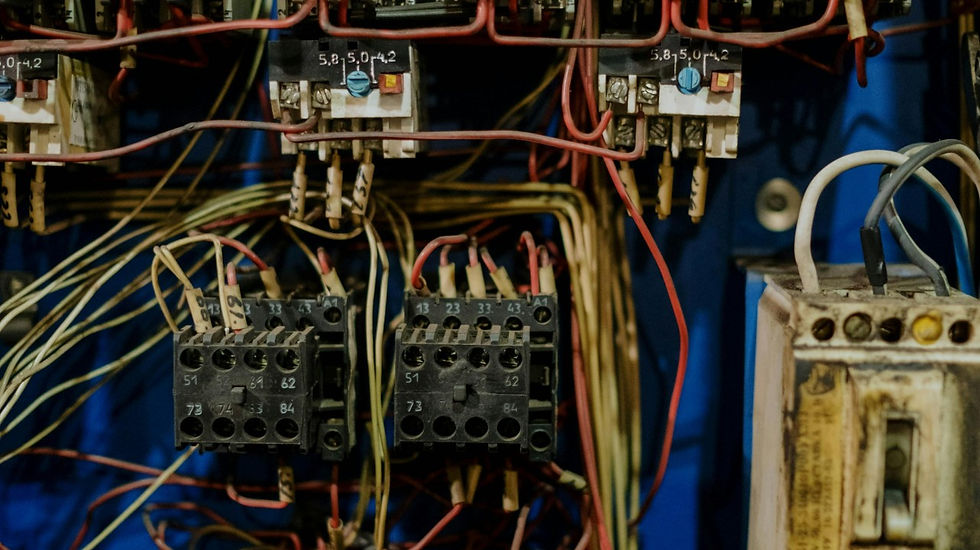
While working on a machine, you touch a control transformer and it's blisteringly hot. Well over 200 degrees.
You check it and it's not carrying much load at all. It's cycling about every 8 seconds, only on for maybe 2 seconds... and pulling less than half the rated load.
It's switching on the primary side with a SSR.
Why is it running so hot? What could we do about it?

Answer:
Every time the SSR closes, it's not just turning on a small downstream load, it is re-energizing an unmagnetized transformer core from zero.
So each time you power it up, the primary winding sees inrush current that can run 8-15x the transformer's normal full-load current.
That inrush only lasts a few cycles - long enough to stress the winding, too short for a clamp meter or wattmeter to catch on a normal reading. That's exactly why even putting a meter on it won't show what's happening.
Now put that event on repeat every few seconds, all day, every day. A transformer sized for occasional startup inrush handles that fine. It's designed to.
It is not designed to relive that surge hundreds of times an hour with no real recovery time between events.
The heat from each cycle was stacking faster than the windings could shed it. The transformer wasn't overloaded in the normal sense. It was being asked to start up, over and over, forever.
Fix #1: move the switching to the secondary side. If the contactor instead interrupts the small 120V load current downstream, the transformer's primary stays continuously energized, the core stays magnetized, and the inrush event happens once - at initial power-up - instead of every few seconds for the life of the panel. This alone takes the transformer out of the story.
Fix #2: see if there is a way to prevent the cycling. If you can keep whatever it is on, that'll prevent the repetitive inrush that's hitting the transformer.
Fix #3: if primary-side switching is unavoidable, make sure the switching device is rated for transformer inrush duty (not just steady-state current). There are SSRs that are specifically designed for the purpose of switching on the primary side of a transformer. These will help.
Also, if you're intentionally running it hot, plan to dispose of that heat. Take steps to actively cool it. The more heat you can extract from it the longer it and the things around it will last.
Heat destroys all things in time. Less heat is more reliability. Getting that transformer to run at a more reasonable temperature benefits it and everything around it.
This is what operational reliability often looks like in practice: the obvious explanation points in one direction, but the real source of instability is somewhere else in the system.
180 OPEX helps manufacturers identify and address those hidden sources of instability before they become recurring downtime, quality, or maintenance issues.
Comments