

Lean is Irrelevant to your Operation Right Now.

Updated: Jun 5
Lean is irrelevant to your operation right now.
Not because it doesn't work.
But because if you keep having the same problems, which is where most of industry lives, you have a control problem.
And Lean doesn't fix control problems. It hides them.
Here's what a control problem looks like:
An operator puts the wrong date/label/product/lid/quantity on the wrong box/pallet/product, and now you're scrapping, reworking, or apologizing your way out of another disaster. This happened three weeks ago. Your boss is about to turn a color that's as unhealthy as the heart attack he's training for.
When organizations have a control problem, each operator may have their own ways of doing things. Those ways are controlled by their habits, not your standards.
Control problems originate with complexity. Often, leaders want to succeed, but just can't keep up with all the standards. They're overseeing a dozen machines they don't know how to run. It's a lot.
Your leaders can't manage the cognitive load of getting every person to follow every standard. Many of those standards, they don't even know.
And complexity generates errors too. The human states that generate mistakes: frustration, fatigue, rushing, complacency, habit disruption, idleness, are consistently present because control is lacking.
So your time is spent dealing with injuries, quality issues, and production problems.
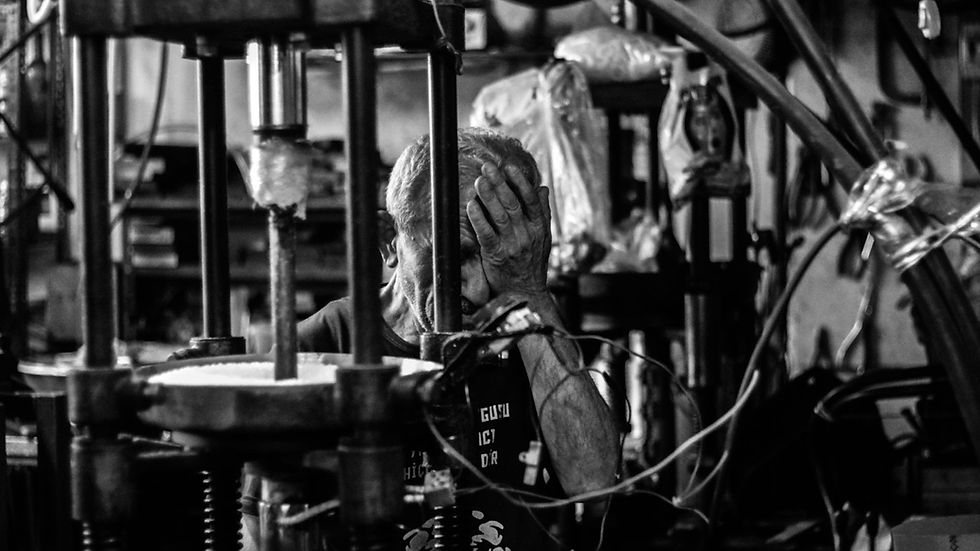
That's firefighting. People don't struggle softly. Your team is working extremely hard on problems that keep coming back.
The issues you already know about are your highest-value losses. You can't fix them permanently because you aren't in control of the process.
Lean doesn't reduce complexity in this scenario. It makes it much worse.
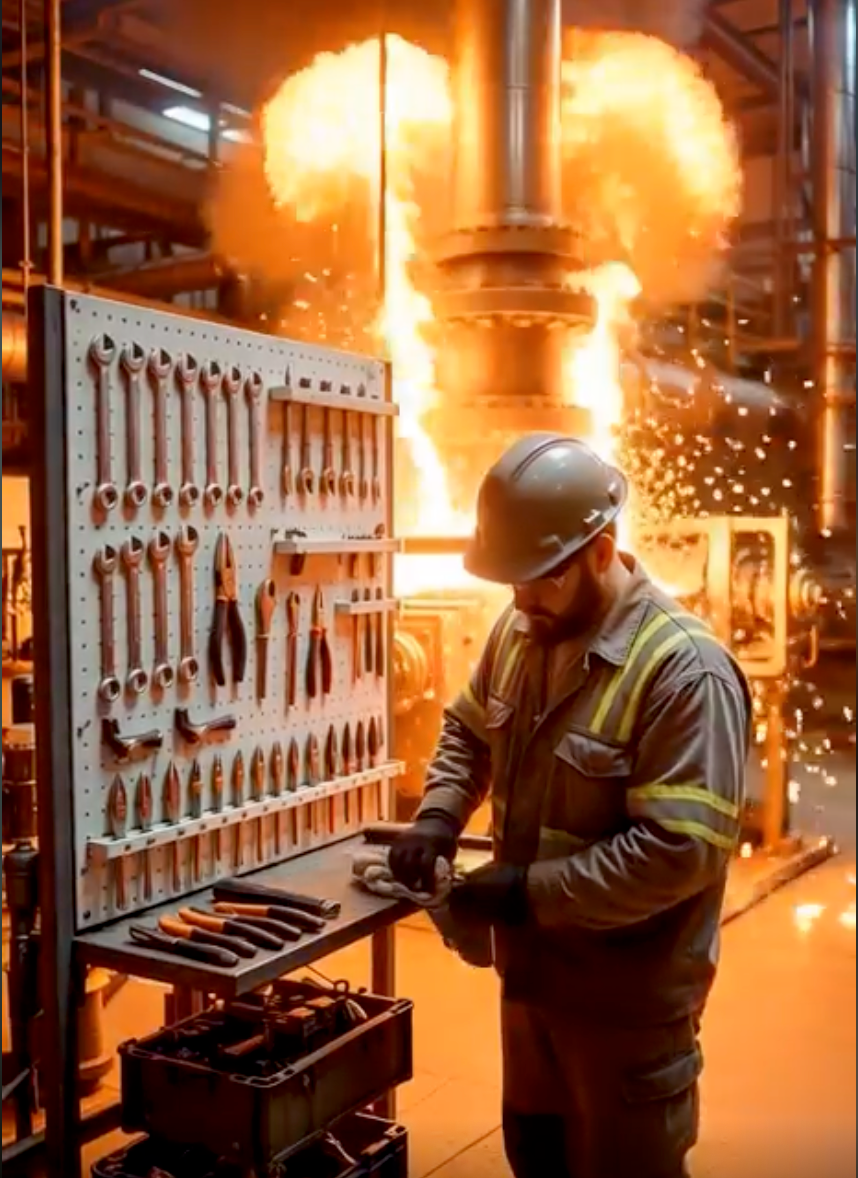
When you layer Lean onto an operation that's already overwhelmed, you don't solve known problems faster. You solve them slower because now your leaders are splitting attention between actual emergencies and wrench organization.
And you'll fail at Lean too, because Lean requires the same organizational capacity you're already short on.
The right sequence is this:
First, build the accountability structure. Offload the cognitive burden from your leaders. Track accountability to knowledge, understanding, and adherence at the operator level, with the people doing the work. Get this off leaders.
Second, solve the problems you already know about. You're not ready for Lean until the daily fires are out. When your shift reports start coming back blank, that's your signal.
Third, implement Lean. At that point you've earned the stability Lean requires. And you'll need it because once the noise clears, Lean is how you find the next layer of problems (that you can't see yet).
Most operations try to run Lean and firefight simultaneously.
That's not a transformation. That's a distraction, one that generates error states and costs your team more than the problems you were already living with.
Get control first. Then improve.
Lean, Six Sigma, and continuous improvement initiatives are difficult to sustain when operations lack control.
Before improvement can stick, organizations need systems that consistently reinforce execution.
Learn how 180 OPEX helps manufacturers build operational consistency.

Comments