

Your Employees Aren't Resistant to Change. Their Habits Are.

Change management and organizational resistance are constant topics for anyone trying to lead change.
I hear all the time how resistant people are to change, but I disagree. People aren’t resistant to change, they are resistant to consequences. Their habits are resistant to change. We treat these as the same problem but they aren’t.
Most management teams don't have the tools in place to help people change, which is a large part of why it's so hard to do.
A habit is a brain shortcut. Once a sequence of steps has run enough times without a bad outcome, the basal ganglia stops treating it as a decision and starts treating it as a reflex.
So when you tell someone to change a process and they don't, that's not necessarily defiance.
They can't quit biting their nails or smoking either. Habits aren't easy for people to change even when they want to.
The fact that your employees have automated their current work processes into habits is a good thing. It means their brains work correctly and, even better, they will be able to develop nearly superhuman speed and repeatability as those habits are refined over time with repetition.
Change the sequence, however, and you've created a problem for that employee. If the person is executing an entire process habitually, as many do, they may not even be aware of the steps they're doing or omitting.
Habits run outside the observation of the conscious mind. Do you know what shoe you put on first each morning? Or which way you turn door knobs? Maybe not, those things are done without conscious thought.
And this is where organizations get themselves into trouble.
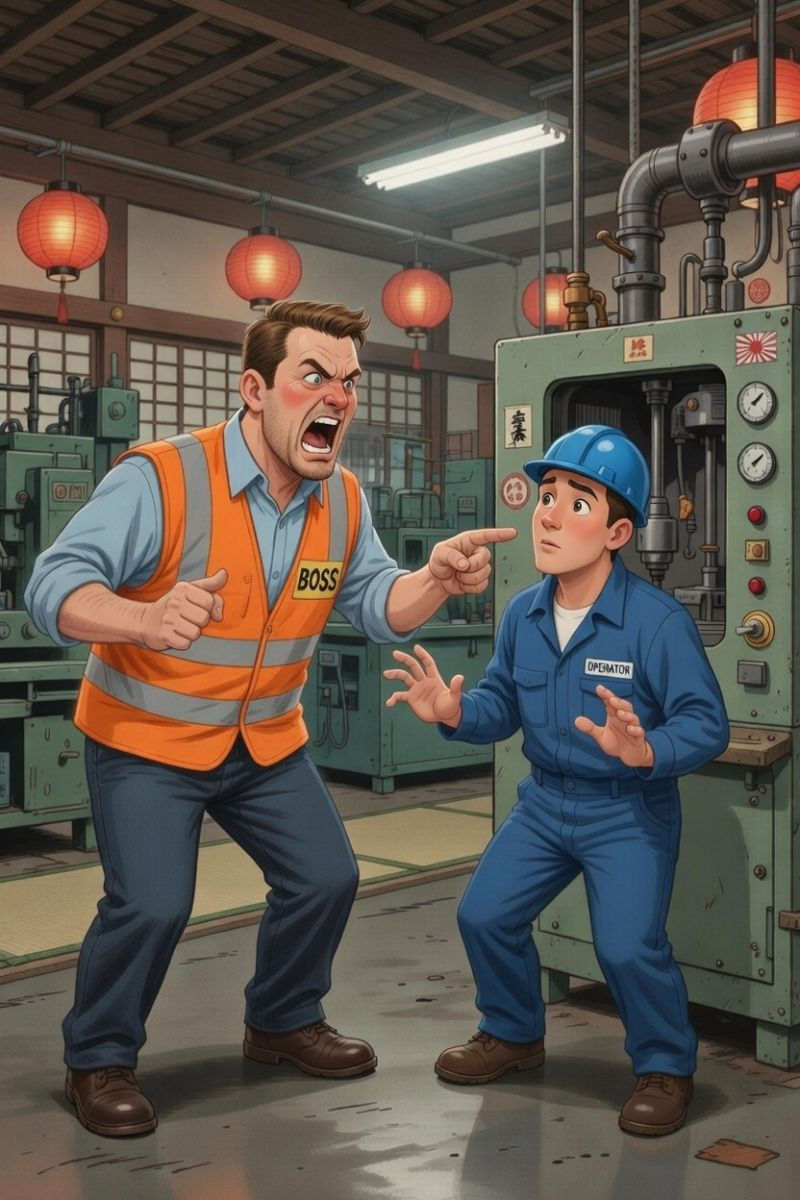
Punishment doesn't make old habits easier to change. If your organization backs every initiative with punishment, it just adds consequences for getting caught doing it the old way.
Imagine someone told a habitual nail biter that they would be discipline-processed for biting their nails: Verbal Counseling for the first offense, Written for the second, and Termination on the third.
Would that person make it through the day?
The punishment doesn't remove the habit. It just means that something they were doing without conscious thought now carries the risk of consequences.
→ Treat the friction of changing a habit like defiance, and you end up disciplining for something that wasn't a conscious choice.
Build systems that support the right habits, and you can change good processes into great ones.
Changing a process is easy. Helping people build the habits that sustain it takes a system.


Comments